
Despite economic headwinds, U.S. retailers are still opening thousands of stores annually—but the strategy has fundamentally shifted from volume-driven growth to data-informed, risk-conscious site selection, where location quality, total occupancy costs, and supply chain logistics now outweigh the simple desire to expand
Specialty leasing has transformed from a stopgap solution into a core strategic driver for retail properties, fueled by shifts in consumer behavior, brand experimentation, and the rise of experiential activations. Today’s flexible retail model emphasizes proactive planning, digital lead generation, integrated leasing teams, and technology-enabled operations.
Retailers use short-term spaces to test markets and concepts, while owners leverage pop-ups, touring exhibits, and community-focused experiences to generate foot traffic and diversify revenue. As the discipline matures, specialty leasing is becoming a sophisticated, data-informed engine shaping the future of shopping centers.
Educate and network at the www.FlexRetailSummit.com
Shopping center landlords face unique challenges managing Common Area Maintenance (CAM) charges and reconciliations. This comprehensive guide explores proven strategies for streamlining CAM processes, reducing tenant disputes, and maintaining transparent communication that strengthens landlord-tenant relationships while optimizing property performance.
GIS has moved from a back-office tool to a core competitive advantage in retail real estate. AI, real-time data, and advanced platforms now guide how retailers and investors pick locations. As Bryan G Chandler of TSCG notes, staying fluent in GIS is no longer optional for navigating 2026’s tight supply and shifting consumer behavior.
Key trends: AI-driven market analytics, web GIS maturing into full application ecosystems, open source tools going mainstream, and a shift from static datasets to real-time market intelligence—all still dependent on solid data and human judgment.
Guest contributor Hue Chen, President of Saglo Companies discusses how the retail landscape is experiencing a renaissance, but the true economic benefit of a signed lease doesn’t begin until the tenant’s doors open.
Today’s reality is sobering: delays in opening new businesses can now take 9-12 months, creating economic vacuums that impact payroll, tax revenue, and the economic multiplier effect from the neighborhood to the national level. He explores using AI powered processes to streamline and accelerate processes.
From Guest Contributors Alberta Davidson and Rudolph E. Milian; a comprehensive guide for shopping center owners and commercial real estate professionals on effectively presenting their properties to potential retail tenants, focusing on location advantages, demographic data, and strategic positioning to secure high-quality retail partnerships.
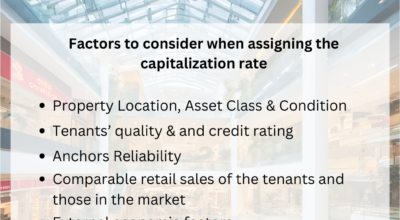
The price you pay to acquire a retail asset is one of the most critical factors in determining how much the investment will ultimately return to you. Guest contributors Jack Nugent of Newmark and Rudolph Milian of Woodcliff Woodcliff Realty Advisors provide expert insight on navigating this process to make the best deal possible.
As environmental awareness grows, sustainable retail practices have become essential to modern retail strategies. Companies like Patagonia, IKEA, and Levi’s are embracing circular economy initiatives—reusing, recycling, and regenerating materials—to reduce their environmental footprint. With the support of emerging technologies such as AI, big data, and blockchain, these brands are leading the way in integrating sustainability across their operations, from physical stores to digital platforms. This transformation not only reduces environmental impact but also builds consumer trust, positioning these companies as leaders in sustainable retail innovation.
A recent article from the research group at ICSC: “ICSC The Halo Effect III: Where the Halo Shines“, supports the concept that physical and online retail is so inter-related and […]
Guest contributor Susan Hagerty Bonsak, CEO of Placewise expounds on the retail and shopping center industry’s journey in 2023 and as we move forward into 2024, showcasing how it transformed in the wake of pandemic-induced changes. Rather than being overshadowed by e-commerce, centers embraced digital synergy, blending physical and online experiences to cater to evolving shopper expectations.
Guest contributors Jack Nugent of Meridian Realty Consultants, Inc. and Rudolph Milian of Woodcliff Woodcliff Realty Advisors provide expert insight on the pushback CAM and taxes get post-pandemic from prospective tenants lease negotiations.
Debra Hazel, President of Debra Hazel Communications, discusses how in previous years, major announcements of store closures would send the industry into a panic. However, there is a lot of opportunity to replace these vacant boxes and prosper in the process.
Guest contributors Jack Nugent of Meridian Realty Consultants, Inc. and Rudolph Milian of Woodcliff Woodcliff Realty Advisors provide expert insight on the pushback CAM and taxes get post-pandemic from prospective tenants lease negotiations.