By: Jeri Frank, Co-founder & CEO of STRATAFOLIO
Mastering CAM: The Key to Shopping Center Success
Common area maintenance (CAM) is a challenging part of owning any commercial property. However, it can be especially difficult for shopping center landlords, who have lots of tenants with different needs and different leases all in a relatively small space. Below, we’ll dive into the basics of CAM and discuss how to solve the specific challenges shopping center landlords might face.
What is Common Area Maintenance?
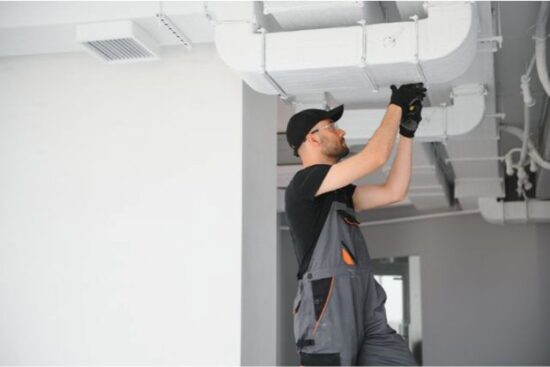
Common area maintenance (CAM) is an important part of a triple-net (NNN) lease setup. In an NNN lease, tenants pay a lower base price, but are also responsible for paying other costs associated with the property. This includes CAM, the costs of keeping shared spaces safe, clean, and inviting. While CAM needs will differ from property to property, they often include taking care of things like parking lots, lobbies, hallways and elevators, and even landscaping.
Usually, the landlord pays for CAM needs up front, then passes the cost to tenants through a set monthly fee. This fee is the landlord’s best guess about how much CAM will cost throughout the year. At the end of the year, landlords must reconcile this guess with the actual amount paid to make sure everyone covers their fair share. Sometimes, tenants will owe an additional amount if maintenance needs were unexpectedly high. Other times, landlords will owe money back to their tenants if they overestimated costs.
Why is it Important for Shopping Centers to have Good Common Area Maintenance Practices?
As with all commercial real estate businesses, successful shopping centers depend on accurate, timely CAM processes. If CAM needs are not prioritized, both owners and tenants can end up overpaying for necessary maintenance. In addition to unnecessary costs, these inaccuracies can result in tenants losing trust in owners, making it difficult to keep tenancy rates high. Since shopping centers are often large, complex systems with lots of tenants and frequent change, avoiding these unnecessary additional challenges is key to running a smooth, successful business.
Challenges of Common Area Maintenance for Shopping Center Landlords
Due to the complexities involved in owning and operating a shopping center, CAM processes can be especially difficult. Below, we’ll run through some of the most common unique challenges that shopping center landlords might face when budgeting, setting CAM charge rates, and reconciling.
High Tenant Turnover
Shopping centers often see higher rates of tenant turnover than other commercial properties. While some anchor tenants, like grocery stores, may stick around for longer, many smaller businesses prefer to sign shorter-term leases for more flexibility. In addition, smaller businesses are more likely to face financial uncertainty, which can lead to uncertainty for landlords as well, as they are forced to search for new tenants on short notice.
All these factors make it harder to predict CAM costs from year to year, as the businesses involved change more rapidly and the property’s shared spaces may have to change with them.
Wide Variety of Tenant Needs
Since shopping centers host many different businesses, they must also provide for many different business needs. The same building might host retail locations, restaurants, gyms, salons, laundromats, and more.
Each of these business types requires different specialized equipment, like a professional kitchen space for restaurants or a pool for gyms, that may require higher upfront costs for installation, more specific maintenance, or more utility usage (like water or electricity). These individual business needs can raise CAM costs for all tenants and the owner disproportionately, so special arrangements must often be made in the lease to keep things fair.
More Use, More Repair
In addition to having lots of tenants, shopping centers and malls are designed to be one-stop locations for lots of customers. This means that shared spaces, especially hallways, courtyards, elevators and escalators will undergo high usage day-to-day. As a result, they are more likely to need frequent upkeep and repair, which can raise CAM costs.
Strategies to Streamline CAM
Thankfully, having good practices in place throughout the year can make CAM planning and reconciliation much easier. Follow these top tips to make CAM an efficient, useful process.
Budget and Prepare Early
At the beginning of the year, it’s crucial to set a budget for CAM expenses. Knowing what you can afford and what you have paid in past years can help you make a better judgement for monthly CAM fees. The closer your estimate, the simpler reconciliation will be at the end of the year. Don’t forget to account for year-to-year changes, including new tenant needs and market factors like inflation.
Keep Thorough Records
Throughout the year, carefully record each CAM expense in a clear, accessible document. This is important because it will make reconciliation much easier, preventing you from having to hunt down the right numbers at the last minute. In addition, these records can form the basis of your budget for the next year.
Communicate Clearly with Tenants
Keeping good records isn’t just for your benefit. When reconciling at the end of the year, you should prioritize getting your results to tenants efficiently and including an in-depth explanation of your calculations. Slow or confusing results can lead to lost tenant trust and unpleasant disputes. On the other hand, providing reliable information helps you build strong, lasting relationships that benefit both you and your tenants.
Use Commercial Property Management Software
For the best CAM results, try using commercial property management software. Specifically designed for owners of commercial property, including shopping centers, software like STRATAFOLIO makes budgeting, record-keeping, and communicating with tenants simple. Take advantage of a two-way data integration with QuickBooks Desktop and Online for up-to-date, detailed financial reports, as well as storage for complicated lease terms and a dedicated tenant portal. Finally, perform CAM reconciliation in just 1-click for fast, accurate results.
Related Articles
- Release Notes : November 2025 DMM shopping center and tenant data
- Qualifying the Income in a Retail Property Acquisition
- How to convince a retailer your shopping center is the right location to open a store
- What Do CAM and Taxes Run at Open-Air Shopping Centers These Days?
Keywords: #CAM, #Common Area Maintenance, #Landlord, #Maintenance, #Property, #NNN, #Tenant, #Quickbooks #Software

Jeri Frank, Co-Founder & CEO of STRATAFOLIO
Jeri Frank is the Co-founder and CEO of STRATAFOLIO, a leading software platform that integrates seamlessly with QuickBooks to simplify the complex world of commercial real estate management.
A recognized thought leader, Jeri contributes regularly to the Forbes Business Council, Insightful Accountant, and has shared her expertise through IREM and CCIM podcasts and webinars. STRATAFOLIO has earned top industry recognition, including being named a top platform by CREtech, selected for the National Association of Realtors REACH program, and listed by Houlihan Lokey as a top property management system for several consecutive years. STRATAFOLIO consistently earns 5-star reviews from platform users for its unique ability to reduce manual activities by 80%. You can find links to many resources and guides on their website.