
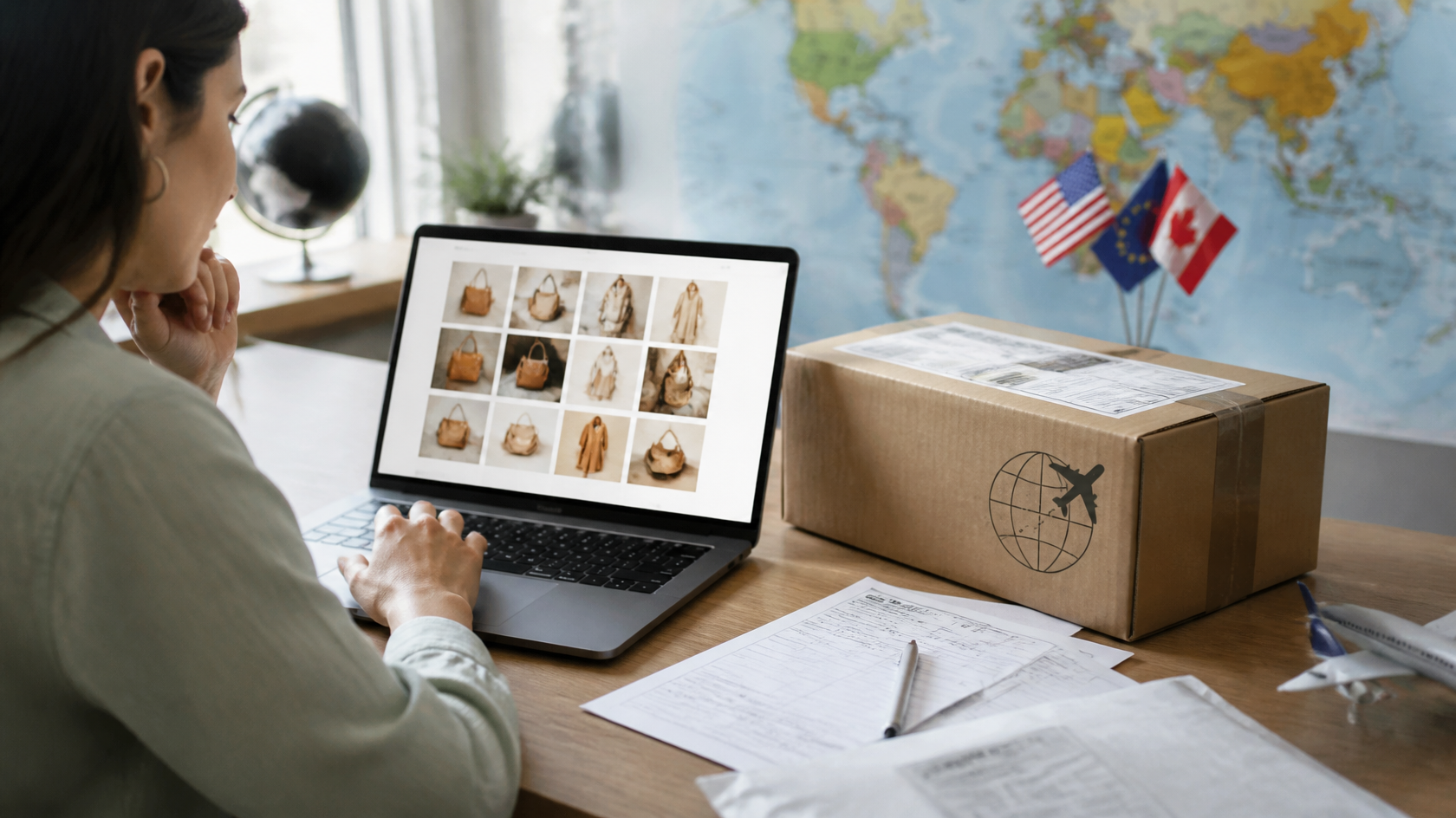
Navigating the Hidden Costs, Customs Delays, and Delivery Challenges of Global Online Shopping
By Amanda Reseburg
With recent advancements in online shopping accessibility, it has never been easier to purchase items that cannot be found locally. Whether someone is looking for a Korean skincare brand or a replacement part for an imported appliance, cross-border online retailers have not only made consumers aware of products from all over the world but have also made it easier to purchase those products.
However, even as accessibility increases, getting those international products to a customer’s doorstep quickly and in a budget-friendly manner remains tricky. While cross-border retailers have expanded customer options, the practical realities of international commerce have not disappeared entirely. Shipping costs, duties and taxes, customs clearance, and delivery timelines can still be concerns for international shoppers.
With worldwide retail e-commerce sales set to surpass [1] $7.9 trillion by January 2027, retailers like Ubuy, an e-commerce retailer serving over 180 countries, are working to address this remaining disconnect. Still, even as retailers update their approach to fit the new world of cross-border shopping, the realities of international online shopping remain part of the conversation.
1] Forbes; 35 Top E-Commerce Statistics

The true cost of cross-border shopping
Anyone who has attempted to source a product from overseas can likely share a story about the final cost being more than they anticipated. They also have to contend with higher shipping fees, especially for bulky, fragile, or expedited items, as well as currency conversion, card-processing fees, and any unexpected shipping delays that may arise.
Studies [2] show that 58% of cross-border shoppers have experienced unexpected customs duties and taxes. Almost half of shoppers surveyed have said they would refuse a package that came with hidden costs. These complexities have caused problems for retailers as well, with more than 8 in 10 (82%) business leaders surveyed saying that cross-border challenges have impacted their decision to sell to new markets.
[2] Avalara “Cross-Border Complexity Impacting Businesses’ Ability to Grow”
The issues that have been a mainstay of cross-border shopping for years are what cross-border retailers and other established international e-commerce companies are trying to address. Shoppers have grown tired of finding what they believe to be a low-priced item online, only to find that shipping costs, duties, and taxes make the item far more expensive than they initially thought. Because rules and regulations vary by country, product category, shipment value, and method of delivery, the uncertainty around cost can be especially frustrating, making even desirable products a risky purchase in the eyes of consumers.
The customs waiting game
One of the most significant complaints about cross-border shopping is dealing with customs, which most international shipments must clear before they can reach the buyer’s doorstep. While many packages move through customs undeterred every day, delays can occur if documentation is incomplete, product descriptions are vague, the declared value is questionable, or the package is pulled for inspection. For a customer sitting overseas watching the tracking of their stalled package, that can be enough to steer them away from international shopping for good.
Logistics systems changing with delivery expectations
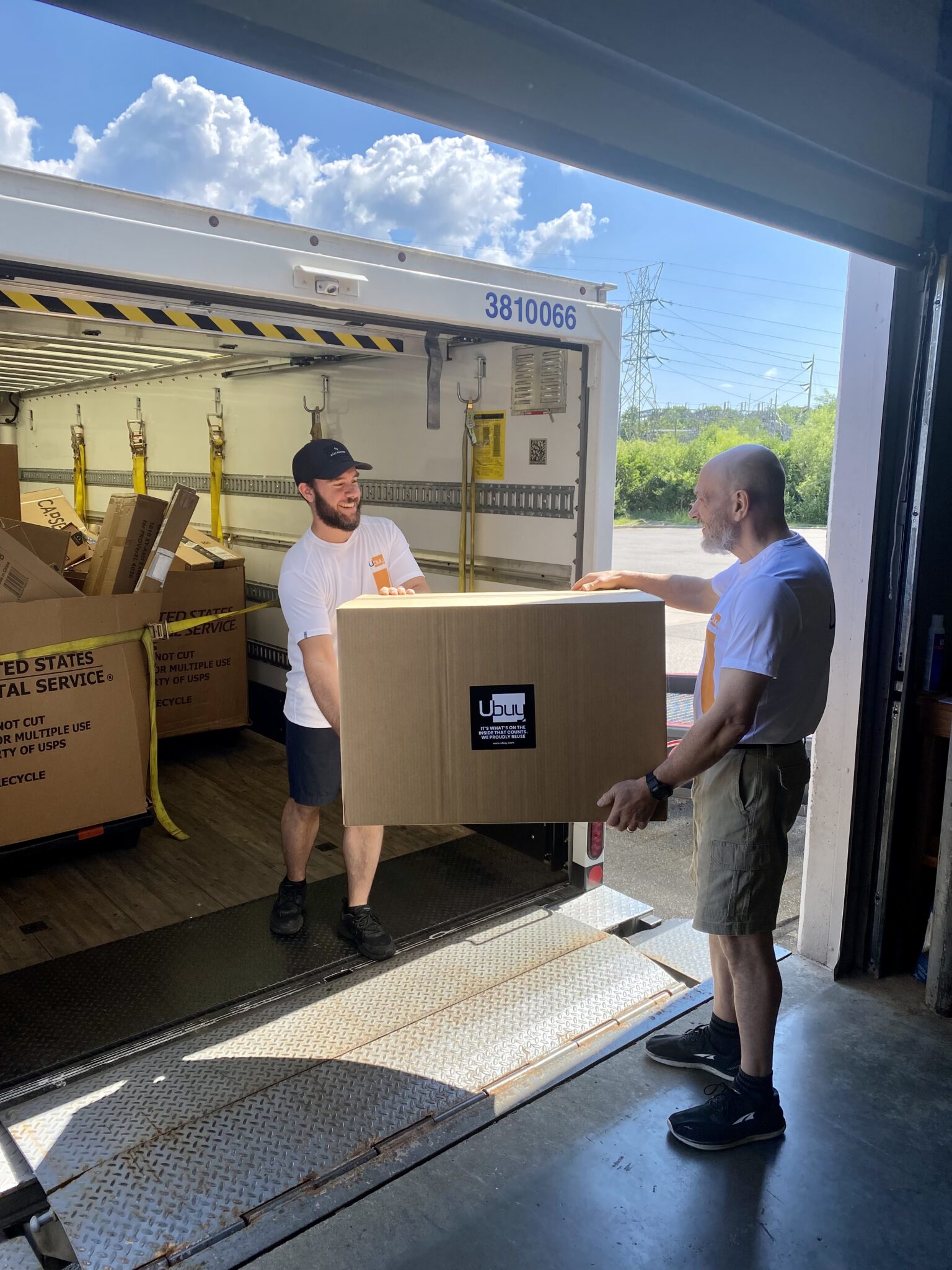
Given the concerns many shoppers have about sourcing products from international retailers, those same retailers have fought to improve their logistics systems to keep up with customer expectations.
The gap that still exists between the expected date of delivery and the actual delivery is often created at the point of purchase. Many retailers still advertise broad delivery windows to cover themselves in case any delays occur. Customers may often mistake the earliest delivery date as a given, instead of the best-case scenario.
Retailers have found that stronger logistical systems and clearer communication can go a long way toward reducing customer frustration and purchase friction in international shopping. As consumers increasingly demand access to hard-to-find products from cross-border e-commerce retailers, those retailers have a duty to find ways to improve the shopping experience. While cross-border e-commerce has expanded customer choice, it also needs to keep pace with the customer’s desire for a hassle-free shopping experience.
An informed approach to cross-border shopping
Even with the realistic hitches that shoppers can come across when purchasing items internationally, cross-border shopping options still give consumers a way to source their favorite products that cannot be easily found in their local market. While it is imperative that retailers work to improve the shopping experience, it may be just as important for consumers to take an informed approach to cross-border shopping. International shopping is not inherently problematic; rather, it may require a different approach than traditional shopping in one’s own backyard.
Before making a purchase, consumers can reduce surprises by checking whether the seller ships directly to their country, reviewing the estimated delivery period, confirming whether duties and taxes are included at checkout, and reading the return policy closely. It is also wise to verify whether the product is subject to import restrictions, particularly on items that often carry tougher restrictions such as food, health products, cosmetics, plants, alcohol, and electronics.
The most useful calculation for cross-border shoppers is the final total, which should include the product price, shipping cost, applicable taxes, duties, and potential return costs. Factor in the cost of waiting for the shipment to arrive, and an item that appears inexpensive at first glance may still be worthwhile, but only if the consumer understands the true cost and purchase commitment.
Although cross-border commerce has opened up the global marketplace to shoppers, many limitations remain concerning speed, convenience, and cost. As retailers work to improve the shopping experience for international consumers, consumers will begin to approach international shopping with less skepticism, leading to more options for shoppers and growth for the international e-commerce industry as a whole.

Amanda Reseburg
Amanda Reseburg is a Wisconsin-based writer and journalist. Her work has also appeared in Scary Mommy, Thought Leaders, LLC, and the California Business Journal. She lives in Wisconsin with her husband and three children. Reach out to Amanda on LinkedIn
Related Articles:
- Can Brick-and-Mortar Survive E-Commerce and Work-From-Home?
- The cascading effects of vacancies and multiplier effect of lease up
- Retailers Are Still Expanding—Just More Carefully
- GeoAI Retail’s Strategic Advantage in GIS: What 2026 Holds
- Creating Immersive In-Store Experiences with the Power of Pop-up Shops
Keywords: #Retail, #CrossBorderShopping #CrossBorderEcommerce #InternationalShopping #GlobalEcommerce #OnlineRetail #ShippingCosts #CustomsDuties #ImportTaxes #CustomsClearance #InternationalShipping #DeliveryDelays #Logistics #DeliveryExpectations #TransparentPricing #LandedCost #ConsumerExperience #ImportRestrictions #ReturnsPolicy #EcommerceGrowth #GlobalMarketplace