
By: Alberta Davidson, CMD is CEO and co-founder of Davidson+Powers, LLC & Rudolph E. Milian, President & CEO Woodcliff Realty Advisors, LLC
Sharing a traditional leasing sales pitch for your shopping center with a prospective tenant is not as effective as showing the prospective tenant how its customer aligns with the customer that frequents your shopping center.
The days when deals were made mostly on relationships, fast talking at deal-making events, follow-up calls and reminder email communications are long gone. Today, retailers and other key prospects for shopping centers are ever more selective as they seek to dominate a market with very few stores.
There are many examples of retailers that tend to operate only one or two stores in a sizable market. Some of these retailers are big-box stores, luxury brands, restaurants, entertainment venues and even retailers that specialize in unique, highly sought after or hard-to-find products. Their real estate strategies often focus on serving a niche market or rely on a strong brand presence and customer loyalty to justify a limited geographic footprint.
Examples include: AllSaints, Armani, Boll & Branch, Bonobos, Breitling, Capital Grille, Eataly, Eddie V’s, Fabletics, Ferragamo, IKEA, Lululemon, Microcenter, Nike, Pinstripes, Pop Mart, RH, Season’s 52, Skims, True Food Kitchen, Tumi, Untuckit, Vuori and Warby Parker, to name just a few. These retailers often target affluent customers with specific lifestyles and behavioral characteristics or those seeking very specific, high-quality products. With a limited number of stores and a website, a strong brand can effectively meet the needs of its target customer who will travel farther for their brand.
We are sure you can think of many more of these types of selective stores that only locate in the highest volume retail properties. Even Apple, which covers a geographic area with several stores is very selective when it comes to the shopping center it chooses to open a store because its brand has to exist not only in harmony with the quality of the venue but in sync with the draw of customers.
These types of retailers will often seek to locate in well established shopping centers where they can co-exist with other successful retailers, such as Westfield UTC in the La Jolla area of San Diego, Aventura Mall in South Florida, Oakbrook Center near Chicago and King of Prussia Mall near Philadelphia. But retailers wishing to dominate a market—even with few locations—have to look beyond the high-profile malls for second and third locations, and you want your location to be top of mind when the real estate team for your prospective tenant is looking to expand.
Does your property match up with your prospective retailer’s site selection criteria?
So how do you know if your property is the right fit and how do you convince the retailer to open a new store in your property? It starts with a clear strategy to use highly effective data that includes credible research about your prospect.
Here’s a plan to consider:
- Gather research and analyze it. Be sure to compare the retailer’s existing customer draw from its various locations around the country with your center’s customers and the residents within your center’s primary trade area. Location-based data is essential as it uses mobile tracking and other technologies to analyze the visitors to any location. This helps reveal customer behavior and shopping patterns, while also identifying trends that enable effective comparisons between your shopping center’s customers and the customers that shop your prospective tenant.
Today’s technology also allows you to analyze visitors at competing shopping centers, giving you a databased opportunity to position your center more favorably while unmasking your competitors’ weaknesses to the prospective retailer’s leasing team.
Equally important is mastering the research you plan to present. Demonstrating a strong command of the facts shows not only that you have a deep understanding of your own center and customers but also of your prospective tenant’s customer base. - Prepare a customized pitch deck that highlights the synergism between your property’s customers, co-tenancy and the target retailer’s customers. A professional, visually engaging deck should use clear messaging and images that reflect the lifestyle, fashion and interests of your prospect’s customers, while communicating key selling points quickly and persuasively.
- Once your materials are prepared, secure a meeting with the prospective tenant, the tenant’s broker and your team. If the tenant and broker are difficult to engage, send a teaser email with compelling data insight and the promise of more detail in a meeting. This creates curiosity, cuts through the clutter, and sets you apart from competing requests.
Present the pitch deck on PowerPoint or PDF, and leave one or two photo books of the pitch deck with the tenant and tenant broker. This is important because the real estate team will want to share the printed pitch deck with the retailer’s merchandising team members who are keenly focused on generating retail sales and are highly influential in the real estate site decision-making process. - Follow up with emails and include the pitch deck on PDF format to further encourage sharing internally.
- Even if the retailer initially declines, don’t give up. Continue the dialogue by sharing insights that directly relate to the retailer’s customers, competitors or brand strategy. Targeted communications featuring timely, data-driven findings can build credibility and keep your center top of mind. With mobile location-based data delivering real-time or monthly updates, you have the tools to consistently demonstrate why your property is the best choice to open a new store in the market.
The leasing pitch deck
So, what does this pitch deck look like? What should you include? How long should it be? How creative and stylish should it appear?
Traditionally, leasing materials for shopping centers or portfolios are updated annually. In our industry, this has often meant elaborate multi-page brochures or lookbooks, especially for new or properties undergoing a redevelopment. More streamlined leasing flyers—both digital and print—remain a staple at industry deal-making events and are frequently refreshed throughout the year. Technology has made all of this easier, less costly and more adaptable, enabling low print runs and more frequent updates.
The same principle applies to tenant-specific pitch decks. In today’s case, it is not just possible but almost mandatory to prepare customized, prospect-focused decks. A one-size-fits-all approach won’t work. Each deck should be uniquely designed to reflect the target retailer and avoid looking like a generic, cookie-cutter presentation that implies that your shopping center is the right location for any retailer.
How the deck is prepared can make or break a deal. Highly desirable retailers already know the markets they want to be in, the types of centers they prefer, the co-tenancy they seek, and the customers they serve. They often understand where their customers live, shop and spend time, and they are aware of both the best, second best and worst-performing shopping centers in the markets where they intend to open new stores.
What they don’t necessarily know is how your center specifically aligns with their goals. They may know the basics—trade area by radius, center size, age or details you’ve advertised in trade publications. The pitch deck should help them see how their store fits perfectly into your property, why it makes sense strategically, and why your center is the best choice above all others.
Think of the deck as a storytelling tool. Your center is the stage and the retailer is a main character positioned alongside other complementary tenants in the center that already meet their co-tenancy needs. Within just a few pages, you should guide them to the realization that in the prospective market your center is the right choice for locating their new store.
Remember, many shopping centers across the country are competing for the same retailer’s limited expansion budget. Every year, they allocate capital to only a handful of new stores. That means your pitch must rise above the clutter. A high-quality, visually compelling deck—fashion-forward in design and reflective of the retailer’s brand image—is critical.
The purpose of the deck is clear: to get the retailer laser-focused on the opportunity to open in your center. It must demonstrate how your property aligns with their goals in timing, geography, economics and customer reach, while also showing how it positions them to take sales away from the competition.
Key selling points
Think of the deck as the story you want to tell and the things you want the prospect to remember and to re-tell others within their organization about your center and the exceptional opportunity to open a store in your center. Start with your vision for your center and how the desired store plays into your long-term vision.
Here are a few images from various pitch decks to give you an idea of various points you will want to convey using your own pitch decks. Please note that we changed the identity of the shopping centers and their respective markets in these examples to maintain confidentiality of the clients.

In a crowded field where many landlords compete for a retailer’s attention, the most effective pitch decks are those that stand out. In this fictional example of Studio Plaza pursuing a Boll & Branch lease, our deck is customized to the brand, powered by research and location data to deliver insights no one else can.
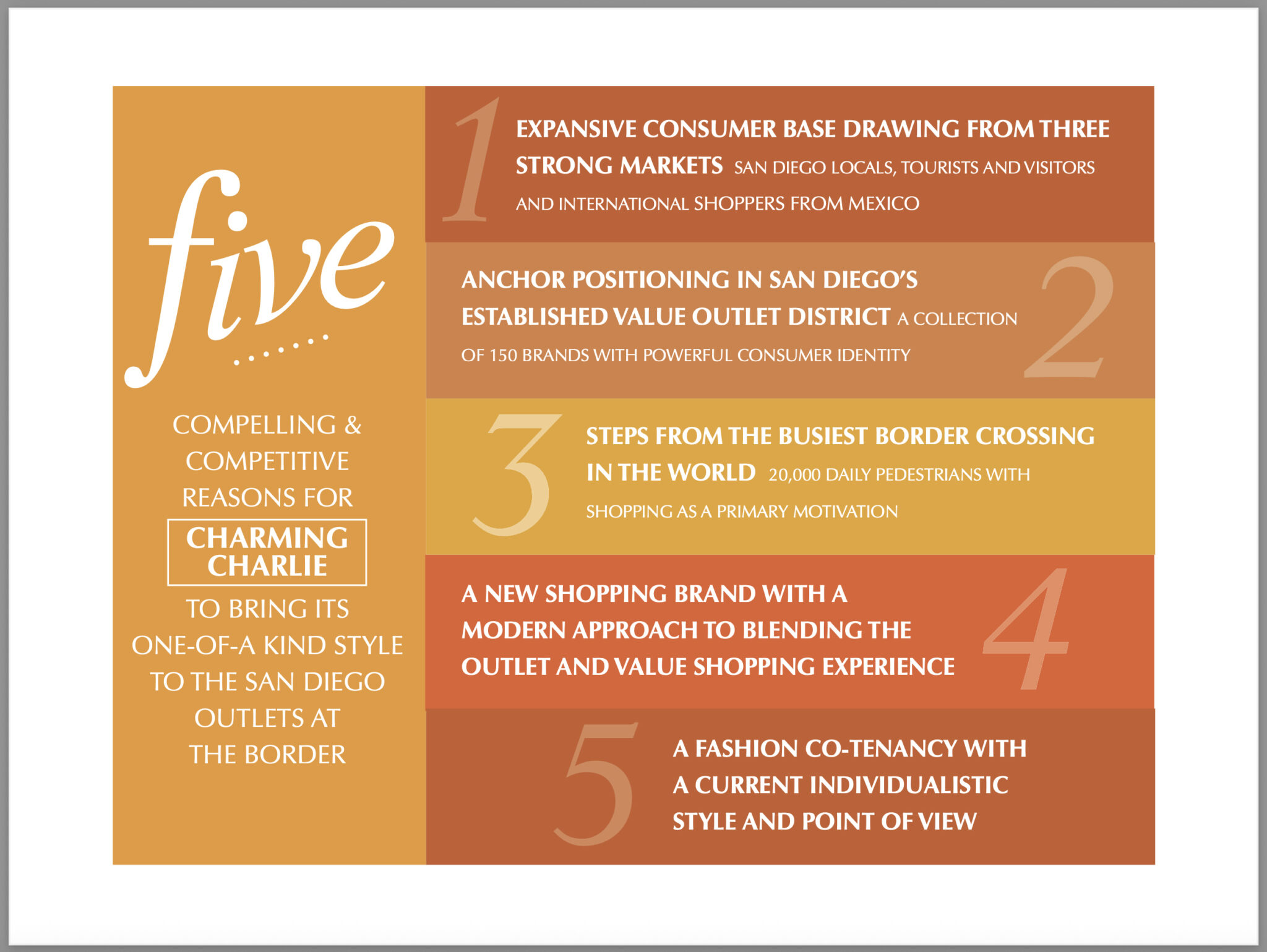
In your pitch deck, be sure to outline the top five reasons why the target retailer should open a store in your shopping center.
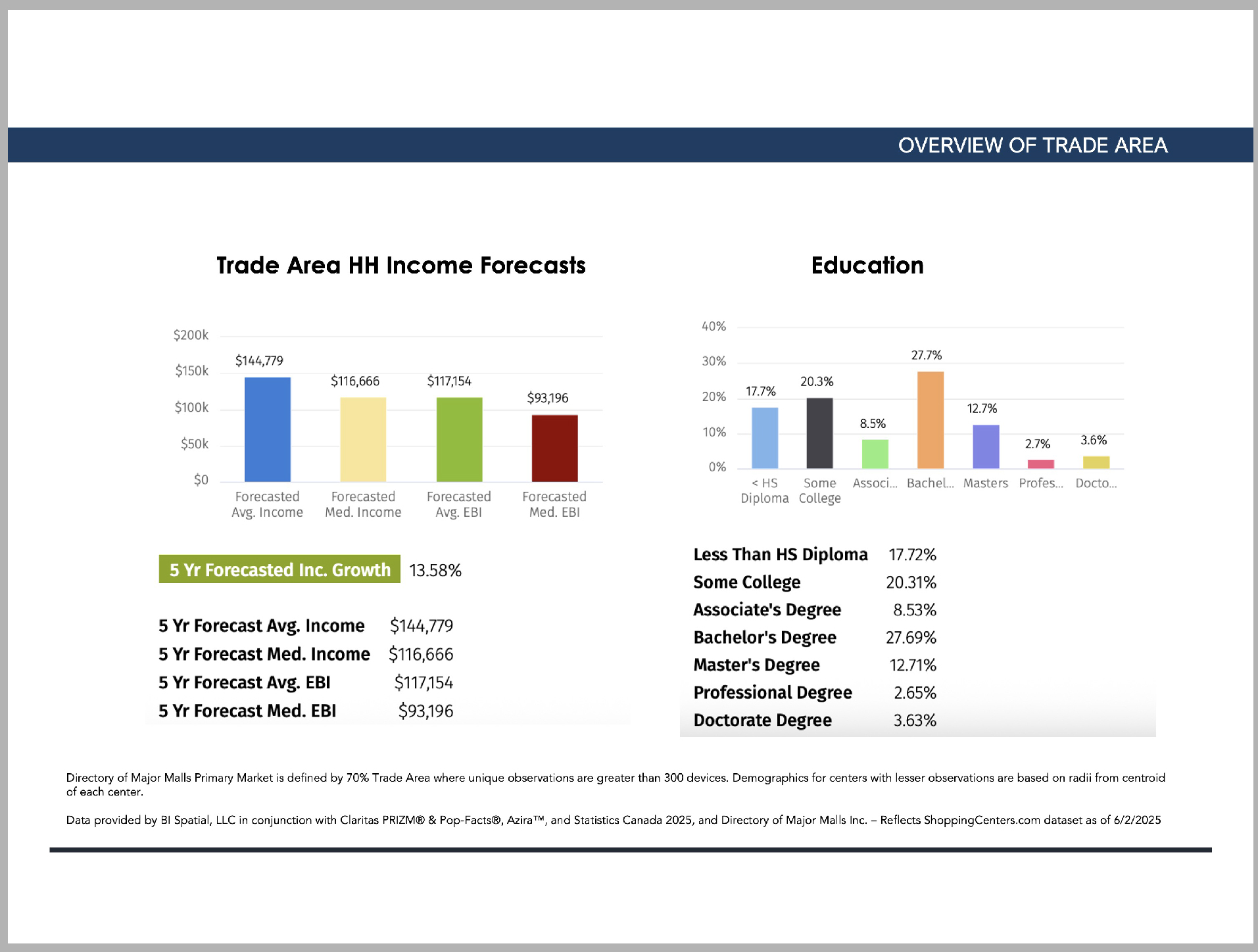
Gather location-based research that shows performance of the retailer’s other stores and how that relates to your center and your market. For example, demographics, AHHI, length of visits, visit frequency, trade area overlap, etc., should be included. Mobile location data now enables you to clearly illustrate marketplace gaps and brand penetration weaknesses.

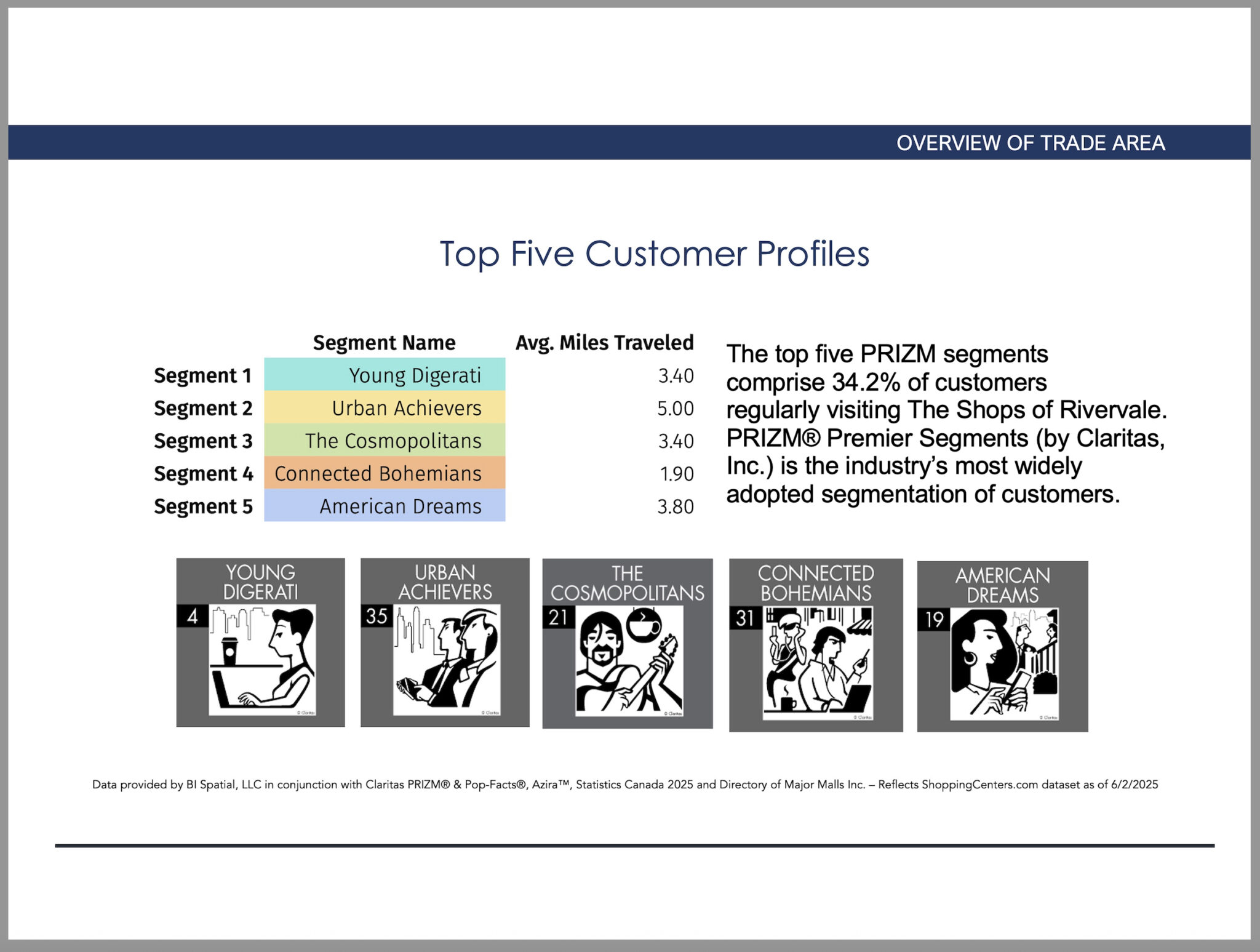
We have found that profiling the typical customer of the desired retailer and showing how that customer mirrors the shopping center’s customer can generate broad leasing interest. For example, include your center’s top PRIZM Premier Segments by Claritas, Inc., which comes as part of the research package from Directory of Major Malls, Inc. , and is included in the ShoppingCenters.com dataset.
PRIZM Premier is the industry’s most widely adopted segmentation of customers. PRIZM combines demographics, consumer behavior and geographic data to help stores and shopping centers understand and engage their customers. It classifies every U.S. household into one of 68 lifestyle types (or segments) to help retailers discern their consumers’ likes, dislikes, lifestyles and purchase behaviors.
Some examples of PRIZM segments are “Young Digeratis” (tech-savvy customers that reside in fashionable neighborhoods on the urban fringe), “American Dreams” (residents found in upper middle-class neighborhoods in urban areas), “The Cosmopolitans” (educated and upscale urbane couples in America’s fast-growing cities that tend to live an eco-friendly lifestyle and enjoy eating at organic/health food establishments), and “Aspiring A-Listers” (typically urban rental apartment dwellers focused on their social lives who tend spend heavily on status brands and dining out at quick service restaurants).
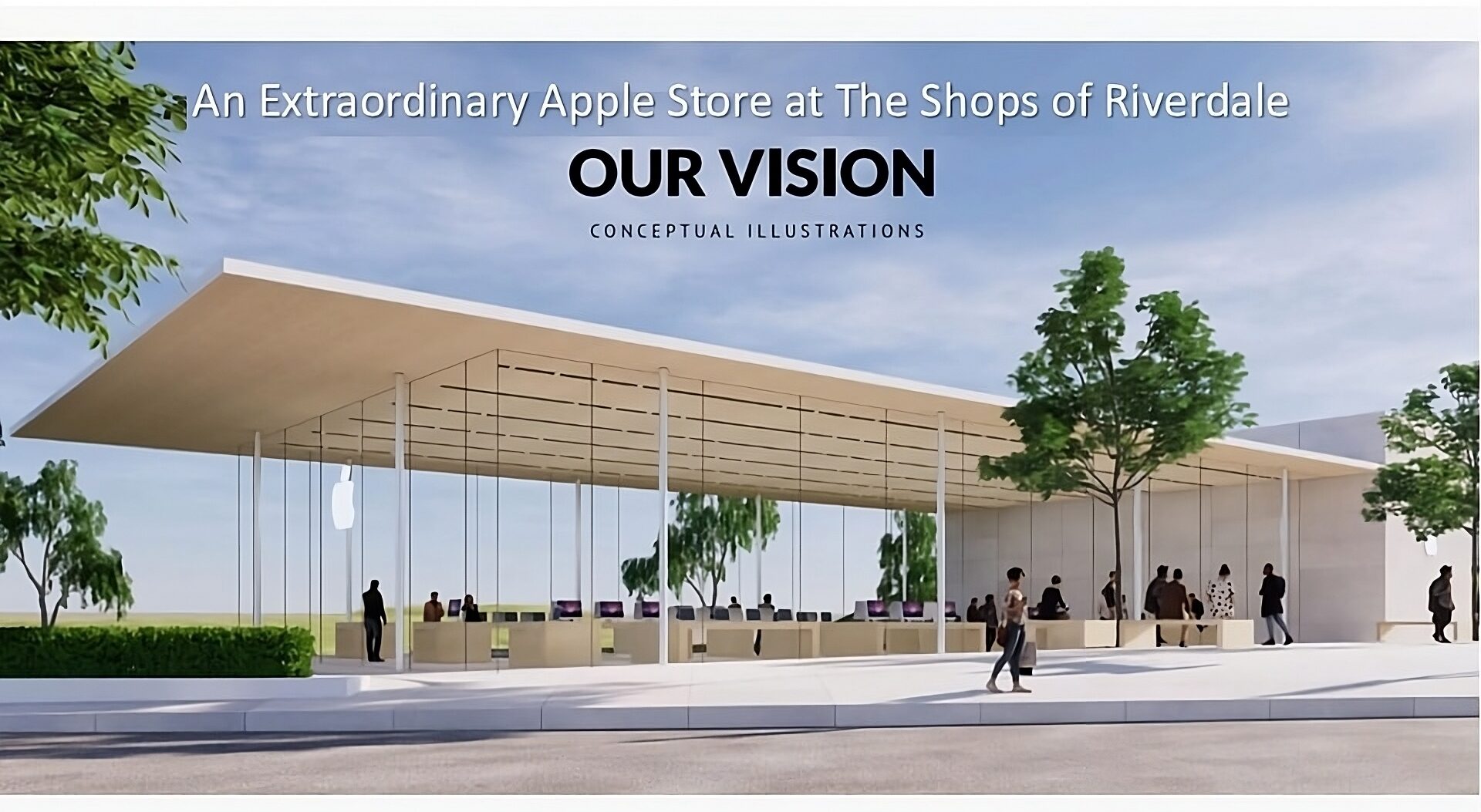
If you plan a renovation or redevelopment of the property, include details and renderings. When engaging a top-shelf key prospect—especially for a flagship presence—provide your vision for an elevated store concept that reflects the prestige of the retailer’s brand and sets the benchmark in the market.
Another approach is to visually depict how the targeted store would look in the location you are proposing surrounded by existing stores. Each approach will go a long way to show the prospective tenant that the landlord is committed to ensure the retailer’s tenancy becomes a resounding success.
The competition for the best, most in-demand consumer brands has only intensified. What has changed is the advancement of research tools and marketing technology that give owners the ability to craft a sharper, more compelling story—one that resonates with the exact retailers they want to attract.
Today, it is faster, more cost-effective and nimbler than ever to deliver customized, data-driven leasing messages that cut through the noise and speak directly to a retailer’s priorities.
The bottom line is simple. If you’re not tailoring your approach with customized pitch decks, your competitors are—and they’re gaining the advantage.
Related Articles
- Qualifying the Income in a Retail Property Acquisition
- What Do CAM and Taxes Run at Open-Air Shopping Centers These Days?
- Exciting Retail Shopping Center Market Insights

Alberta Davidson, CMD is CEO and co-founder of Davidson+Powers, LLC, which was established in 2002. She is recognized for her expertise in strategic positioning and marketing, as well as creating innovative consumer and B2B programs that drive asset value growth. Her strength in market research includes a unique ability to interpret and apply location data to the industry’s most critical areas of leasing and sales development. She also collaborates regularly with Woodcliff Realty Advisors.

Rudolph E. Milian, CRRP, CRX, CSM, CMD is president and CEO of Woodcliff Realty Advisors, LLC, a full-service consultancy founded in 2016. The firm is based in the New York area and serves retailers, commercial real estate owners, capital and debt investment firms and service providers in Canada and the U.S. Woodcliff works with a couple of dozen consultants, each specializing in a different field. He has equity ownership interest in mixed-use and open-air community centers.